Why Older Homes in Boise Are Prone to Foundation Issues
If you live in an older home in Boise, you already know the charm that comes with historic neighborhoods like the North End. Craftsman bungalows, brick Tudors, and mid-century ranches all have character that new construction simply cannot match. But that character often comes with a foundation that has spent decades reacting to the local soil and climate. The same expansive clay soils that make Boise landscaping tricky can also put steady pressure on basement walls and footings, especially in homes built before modern waterproofing standards were common.
In the North End historic home, foundations were often built with unreinforced concrete, stone, or brick masonry. These materials are strong, but they are not immune to the freeze-thaw cycles and seasonal moisture swings we see in the Treasure Valley. Over time, small cracks widen, walls begin to bow, and water finds its way in. Recognizing the early warning signs of foundation problems can save you from major structural repairs later, and it helps you protect the value of your home.
Foundation Problems Signs Every Homeowner Should Know
Some foundation problems signs are obvious, while others develop quietly below grade. Start by walking the perimeter of your basement or crawlspace with a flashlight. Look for basement wall cracks that are wider than a hairline, especially horizontal cracks that run parallel to the floor. Horizontal cracks often indicate soil pressure pushing inward, which is a common precursor to a bowing basement wall. Vertical cracks are usually less urgent but still allow moisture to enter, and they should be monitored and sealed before they grow.
Inside the living space, pay attention to doors and windows that suddenly stick or no longer latch. Uneven floors, sloping in one direction, or gaps between the wall and ceiling trim can all point to settlement. On the exterior, look for stair-step cracks in brick veneer, separation at corners, and soil that has settled away from the foundation. If you notice any of these older home foundation repair warning signs, it is worth having a professional take a look before the next wet season arrives.
Bowing Basement Walls and What They Mean for Your Home
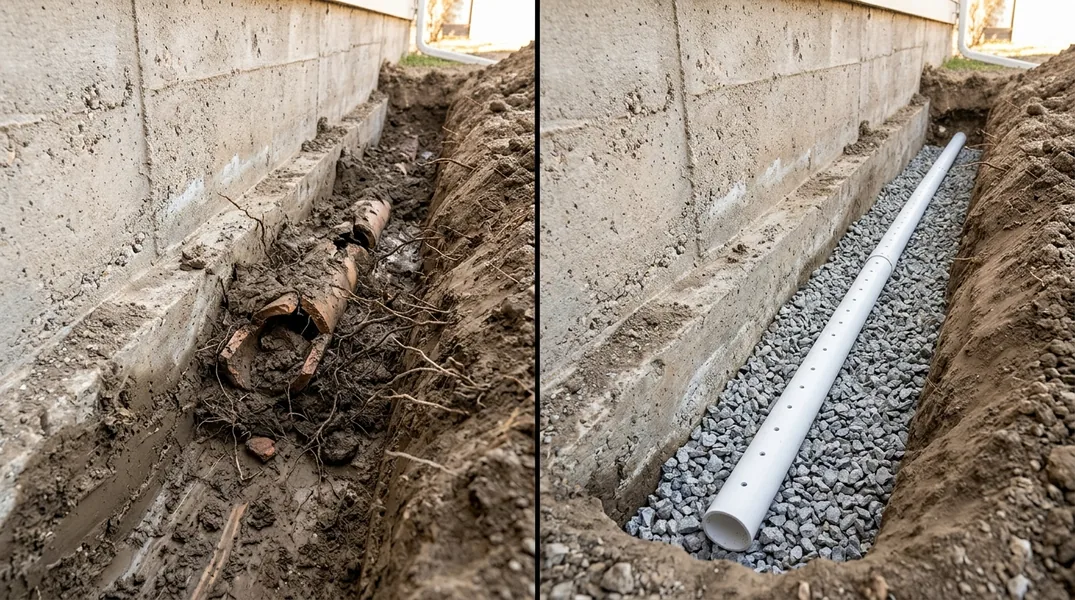
A bowing basement wall is one of the most serious signs of foundation trouble, and it rarely fixes itself. Bowing typically happens when hydrostatic pressure from saturated soil pushes against the wall, or when the soil around the foundation expands and contracts with the seasons. In older Boise homes, the original drainage systems were often simple footing drains that have long since clogged or collapsed. When water cannot escape, it builds up against the wall and gradually pushes it inward. You may notice the wall leaning, a horizontal crack widening, or the bottom of the wall kicking out.
Ignoring a bowing wall can lead to structural failure, but early intervention makes a big difference. Solutions range from carbon fiber reinforcement to wall anchors, and in some cases, addressing the water source is the first step. A comprehensive approach to Foundation Waterproofing can relieve pressure and stabilize the wall before the problem worsens. If you see bowing, do not wait for the next spring thaw to act.
Water Intrusion: The Hidden Driver of Foundation Damage
Water is the quiet enemy of every foundation, and in older homes, it often enters through paths you cannot see. Cracks in the basement wall, porous concrete, and failed window wells all let moisture in. Once water is inside, it can damage framing, cause mold growth, and worsen existing cracks through freeze-thaw action. Many homeowners first notice a musty smell or efflorescence (a white powdery deposit) on the basement walls, which is a clear sign that moisture is moving through the concrete.
Managing water starts with redirecting it away from the foundation. Gutters and downspouts should discharge several feet from the house, and the soil around the foundation should slope away, not toward it. For persistent issues, a professional may recommend an Interior Drain Tile System to capture water before it reaches the floor, or Exterior Basement Waterproofing to seal the foundation from the outside. In many cases, a combination of Basement Waterproofing strategies is the most effective long-term fix.
When to Call a Professional for Older Home Foundation Repair
Not every crack requires a major repair, but some situations call for expert eyes. If you see a bowing basement wall, a crack wider than a quarter inch, or water entering the basement after every rain, it is time to call a professional. Older homes in Boise often have unique foundation systems, and a contractor who understands local soil conditions and historic construction methods can recommend the right approach. A thorough inspection will identify the cause of the problem, not just the symptom, so you can avoid repeated fixes.
Boise Waterproofing offers free estimate inspections for homeowners throughout the area. Whether you are dealing with basement wall cracks, a bowing wall, or just want to know what is happening below grade, a professional assessment gives you a clear plan. You can also call (208) 314-5276 to speak with a local expert and schedule a visit. Taking action early is the best way to protect your older home and your peace of mind.
Looking for a professional basement waterproofing contractor in Boise? Boise Waterproofing responds fast for all your basement waterproofing needs.
Get a Free QuoteOur services: Basement Waterproofing · Interior Drain Tile System · Exterior Basement Waterproofing