Why Spring and Irrigation Season Put Your Boise Basement at Risk
If you live in Boise, you know the rhythm of the seasons: winter snow in the foothills, a fast warm-up in March and April, and then the irrigation canals start running. That combination creates a perfect storm for basement moisture. As snow melts rapidly in the Boise Front, water percolates through the soil and raises the water table. At the same time, the city's irrigation system delivers millions of gallons to neighborhoods, fields, and parks, and that water seeps down to the same groundwater. When the soil around your foundation becomes saturated, hydrostatic pressure builds, and water finds the path of least resistance: your basement.
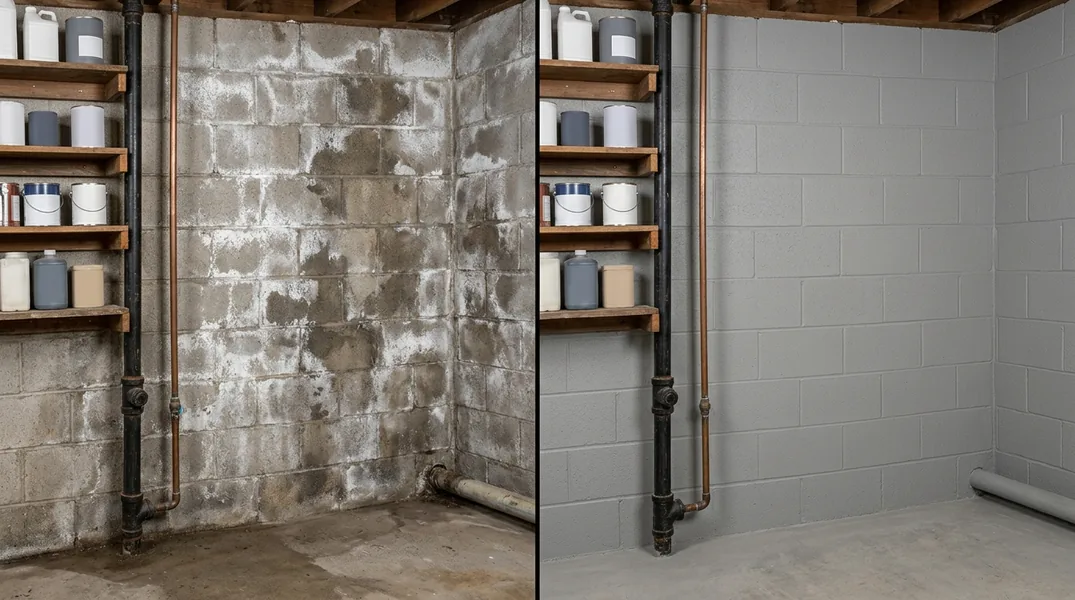
Many homeowners in the Treasure Valley notice the first signs in early spring: damp spots on the floor, a musty odor, or efflorescence (the white powdery residue) on the walls. Others don't discover a problem until a heavy rainstorm during irrigation season pushes water through the cove joint or cracks in the foundation. Understanding this seasonal pattern is the first step toward protecting your home. The good news is that with the right preparation, you can keep your basement dry even during the wettest weeks of the year.
How Rising Groundwater and Snowmelt Find Their Way In
Water is persistent. It moves through soil, gravel, and tiny cracks in concrete. In Meridian and other parts of the valley, the soil can be sandy or gravelly, which drains quickly but also allows water to move freely toward your foundation. During snowmelt, the ground is often still partially frozen, so water runs off the surface instead of soaking in, pooling against the foundation. That pooling water exerts hydrostatic pressure, and if your home's drainage system isn't up to the task, it will seep through the foundation wall or floor.
Common entry points include the cove joint (where the floor meets the wall), hairline cracks in poured concrete, mortar joints in block walls, and gaps around pipes or utility penetrations. Sometimes water comes up through the floor itself if the water table rises above the basement slab. Once water is inside, it can damage flooring, drywall, insulation, and stored belongings, and it creates the perfect environment for mold. If you've already experienced a flooded basement, you'll need Basement Waterproofing to address the source, not just the symptoms.
Flood Prevention Starts Outside: Grading, Gutters, and Exterior Waterproofing
The most effective flood prevention begins outside your home. Start by checking the grade around your foundation. The soil should slope away from the house at a rate of about one inch per foot for the first six feet. Over time, soil settles, and mulch beds can create a bowl that traps water. Regrading is a relatively inexpensive DIY project that can make a big difference. Next, look at your gutters and downspouts. During heavy spring rains, clogged gutters overflow and dump water right at the foundation. Make sure downspouts discharge at least four to six feet away from the house, and consider extending them if they currently end too close.
For homes with persistent issues, Exterior Basement Waterproofing is the gold standard. This involves excavating around the foundation, applying a waterproof membrane, and installing a drainage system that directs water away from the home. It's a significant investment, but it addresses the problem at the source and can last for decades. In some cases, Foundation Waterproofing may also include repairing cracks and sealing utility penetrations. If you're unsure whether your home needs exterior work, a professional inspection can help you decide.
Interior Solutions: Interior Drain Tile System and Sump Pumps
Not every basement problem requires digging up the yard. An Interior Drain Tile System is a highly effective way to manage water that reaches the foundation. This system involves installing a perforated pipe along the inside perimeter of the basement floor, which collects water and directs it to a sump pump. The sump pump then discharges the water outside, away from the foundation. Interior systems are less disruptive than exterior excavation and can be installed year-round, even in winter. They're particularly useful for finished basements because they don't require tearing up landscaping or decks.
A sump pump is the heart of an interior system, and it's important to have a reliable one with a backup. Power outages are common during spring storms, so a battery backup or a water-powered backup pump is a wise investment. Regular maintenance is also key: test your sump pump before the spring thaw, clean the intake screen, and make sure the discharge line is clear and directs water well away from the house. If you're in Eagle or Garden City, the same principles apply. A local waterproofing contractor can recommend the right system for your home's specific soil and water conditions.
Flooded Basement Cleanup: What to Do First
If water has already entered your basement, safety comes first. Do not enter a flooded basement if there is any chance the water has come into contact with electrical outlets or appliances. Turn off the power at the breaker panel if it's safe to do so, and call a professional if you're unsure. Once the area is safe, start by removing standing water with a wet/dry vacuum or a pump. Then move wet items out of the basement and dry them thoroughly. Mold can start growing within 24 to 48 hours, so speed is critical. Use fans and dehumidifiers to dry the space, and consider calling a professional restoration company if the flooding is extensive or involves contaminated water.
After cleanup, it's essential to address the cause. A one-time flood may seem like a fluke, but it's often a warning sign of a larger drainage issue. A professional inspection can identify vulnerabilities and recommend solutions like a Basement Waterproofing system. Don't wait for the next storm. If you've experienced flooding, reach out to Boise Waterproofing at (208) 314-5276 for a free estimate. We'll assess your situation and help you protect your home before the next irrigation season.
Basement Waterproofing Cost in Boise: What to Budget
The cost of basement waterproofing in Boise varies depending on the method, the size of your basement, and the severity of the problem. Interior drain tile systems are typically less expensive than exterior excavation, but every home is different. Factors that affect pricing include accessibility, the presence of finished walls or ceilings, the type of foundation, and whether a sump pump is needed. It's also important to consider the long-term savings: a dry basement protects your home's value, prevents mold, and avoids costly repairs down the road.
Rather than guessing, the best approach is to get a professional assessment. A reputable contractor will inspect your basement, identify the source of the water, and provide a detailed written estimate. Be wary of anyone who quotes a price over the phone without seeing your home. At Boise Waterproofing, we offer free estimates and transparent pricing so you can make an informed decision. Call (208) 314-5276 or visit our website to schedule your consultation. Don't let rising groundwater catch you off guard this spring.
Looking for a professional basement waterproofing contractor in Boise? Boise Waterproofing responds fast for all your basement waterproofing needs.
Get a Free QuoteOur services: Basement Waterproofing · Interior Drain Tile System · Exterior Basement Waterproofing