Why Foothill Homes Face Unique Waterproofing Challenges
Homes perched on the foothills around Boise enjoy stunning valley views, but that elevated setting comes with serious water management challenges. Unlike flat-lot homes, foothill properties sit on slopes that channel rainwater and snowmelt directly toward your foundation. The soil composition in these areas, often a mix of clay, decomposed granite, and rocky fill, can create unpredictable drainage patterns that put constant pressure on basement walls.
During spring snowmelt and intense summer thunderstorms, water moves quickly downslope and can pool against your foundation before it has a chance to drain away. Many foothill homes also have walkout basements or split-level designs that expose more wall surface to saturated soil. Understanding these local conditions is the first step in deciding between interior vs exterior waterproofing for your property. A solution that works on a flat lot in Meridian may not perform the same way on a hillside grade.
How Interior Drain Tile Systems Work and When They Make Sense
An Interior Drain Tile System is installed along the inside perimeter of your basement footing. Technicians break up a narrow strip of the concrete floor, dig a trench, and lay perforated pipe that directs incoming water to a sump pit. A sump pump then discharges the water away from the home. This approach is popular because it does not require excavating your yard, it can be completed in most weather conditions, and it typically costs less upfront than exterior excavation.
For foothill homeowners dealing with hydrostatic pressure pushing water through floor cracks and cove joints, an interior system is often highly effective. It captures water after it enters the basement envelope and manages it before it can cause damage. However, it does not address the source of the water outside the foundation. If your goal is to keep water from ever reaching the wall in the first place, you may need to consider exterior options. Many homeowners in Eagle and similar foothill communities combine interior drainage with exterior grading improvements for a comprehensive solution.
Exterior Basement Waterproofing: Membrane, Drainage, and Long-Term Protection
Exterior Basement Waterproofing involves excavating soil away from the foundation walls to apply a waterproof membrane or coating, install exterior drain tile, and improve drainage with gravel and proper backfill. This method stops water at the source, preventing it from ever contacting your foundation walls. On a foothill property, exterior waterproofing can also include regrading the slope to divert surface water away from the structure, which is critical when your home sits on a grade.
The trade-off is cost and disruption. Exterior excavation is labor-intensive, requires heavy equipment, and can disturb landscaping, decks, or driveways. It is also weather-dependent. However, for homes with significant wall damage, persistent seepage, or foundations that are difficult to access from the interior, exterior waterproofing often provides the most durable, long-term result. When comparing drain tile vs exterior membrane, think of it this way: interior drain tile manages water that gets in, while an exterior membrane and drainage system work to keep water out entirely. For many foothill homes, the ideal approach may involve elements of both.
Key Factors That Determine the Right Choice for Your Foothill Home
Several factors should guide your decision between interior and exterior waterproofing. First, consider the source of the water. If you see water seeping through the cove joint where the wall meets the floor, or through floor cracks, an interior system is often sufficient. If water is coming through wall cracks higher up, or if the walls are bowing or showing signs of hydrostatic pressure, exterior waterproofing may be necessary. Second, evaluate your lot's grading and drainage. Foothill properties often need exterior regrading and surface drainage improvements regardless of which interior system you choose.
Third, think about your budget and timeline. Interior systems are generally less expensive and faster to install, while exterior work is a larger investment but can address structural issues more directly. Finally, consider the long-term value. A properly installed Foundation Waterproofing system, whether interior or exterior, protects your home's value and livability. If you are unsure which path fits your situation, a professional assessment is the best way to avoid overspending or under-solving the problem. You can request a free estimate to get a clear picture of your options and pricing.
Basement Waterproofing Near Me: When to Call a Professional in Boise
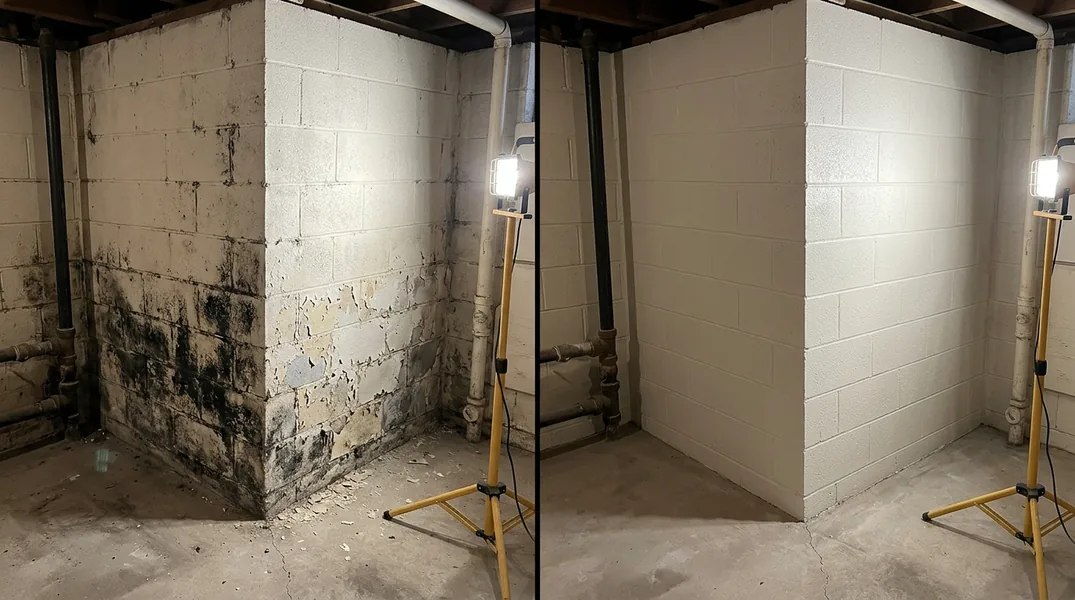
If you have noticed musty odors, efflorescence (white powdery stains) on basement walls, dampness, or actual water intrusion, it is time to call a professional. Foothill homes in Boise are particularly vulnerable during rapid snowmelt and heavy rain events, and small issues can escalate quickly. A trained contractor can assess your foundation, soil conditions, and drainage patterns to recommend the most effective and cost-efficient solution for your specific property.
Boise Waterproofing specializes in helping homeowners in the foothills and surrounding areas make informed decisions about interior vs exterior waterproofing. Our team evaluates your home's unique challenges and provides honest recommendations tailored to your budget and long-term goals. Whether you need an interior drain tile system, exterior membrane installation, or a combination of both, we are here to help. Call (208) 314-5276 today to schedule your consultation and protect your home from water damage.
Looking for a professional basement waterproofing contractor in Boise? Boise Waterproofing responds fast for all your basement waterproofing needs.
Get a Free QuoteOur services: Basement Waterproofing · Interior Drain Tile System · Exterior Basement Waterproofing